
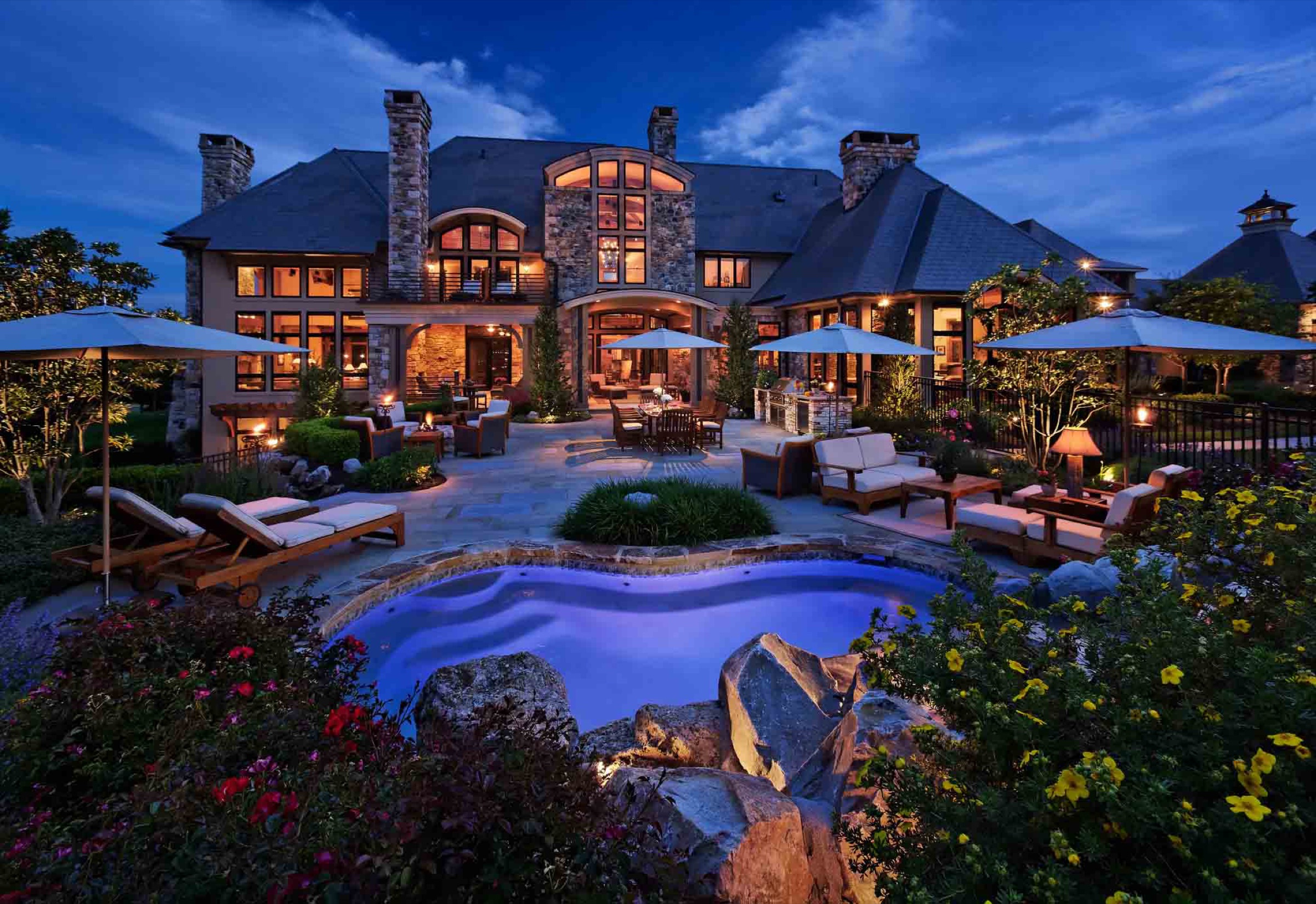
Light is the first thing you notice and the last thing anyone specifies.
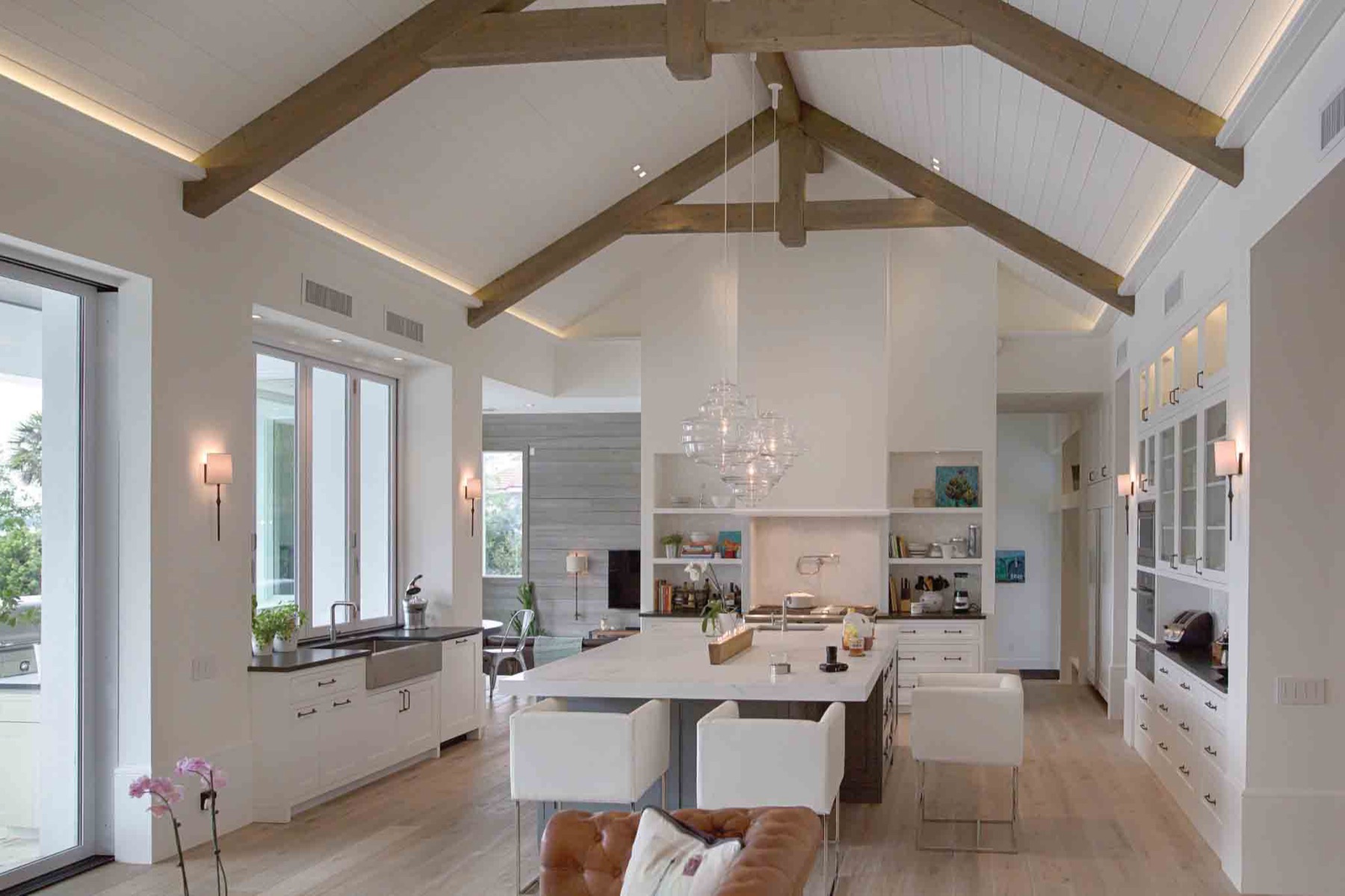
Layered lighting, tunable white, architectural keypads, and motorized shading — designed with the control system rather than bolted onto it afterwards.
A room is mostly light.
You can spend a great deal on finishes and furniture and undo all of it with the wrong colour temperature and a wall of paddle switches by the door.
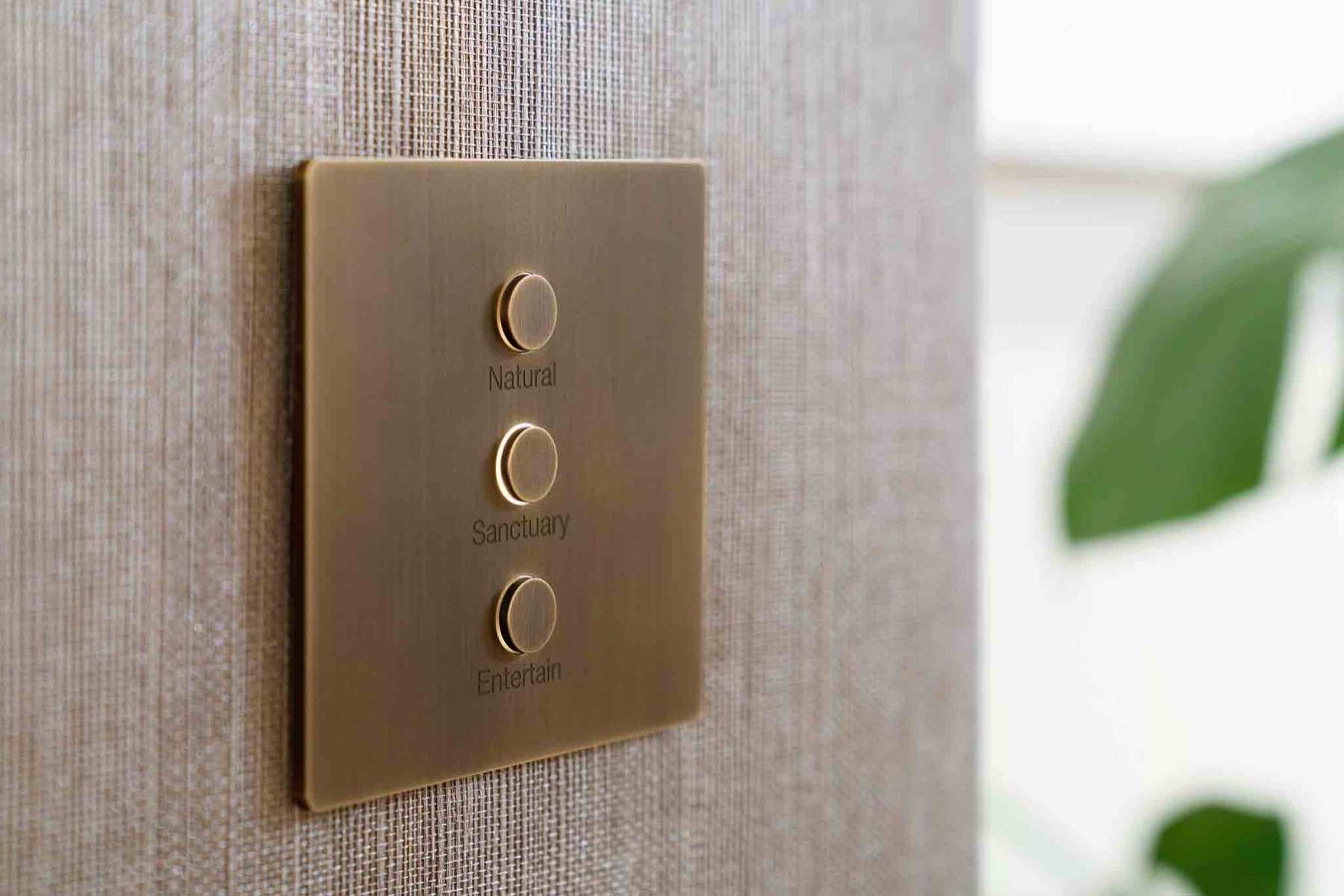
Good lighting design is layered: ambient, task, accent, and decorative, each on its own control so the room can be bright and functional at nine in the morning and soft at nine at night. Getting there means choosing fixtures and drivers that dim smoothly to zero, specifying a control protocol that supports them, and laying out keypads that read at a glance.
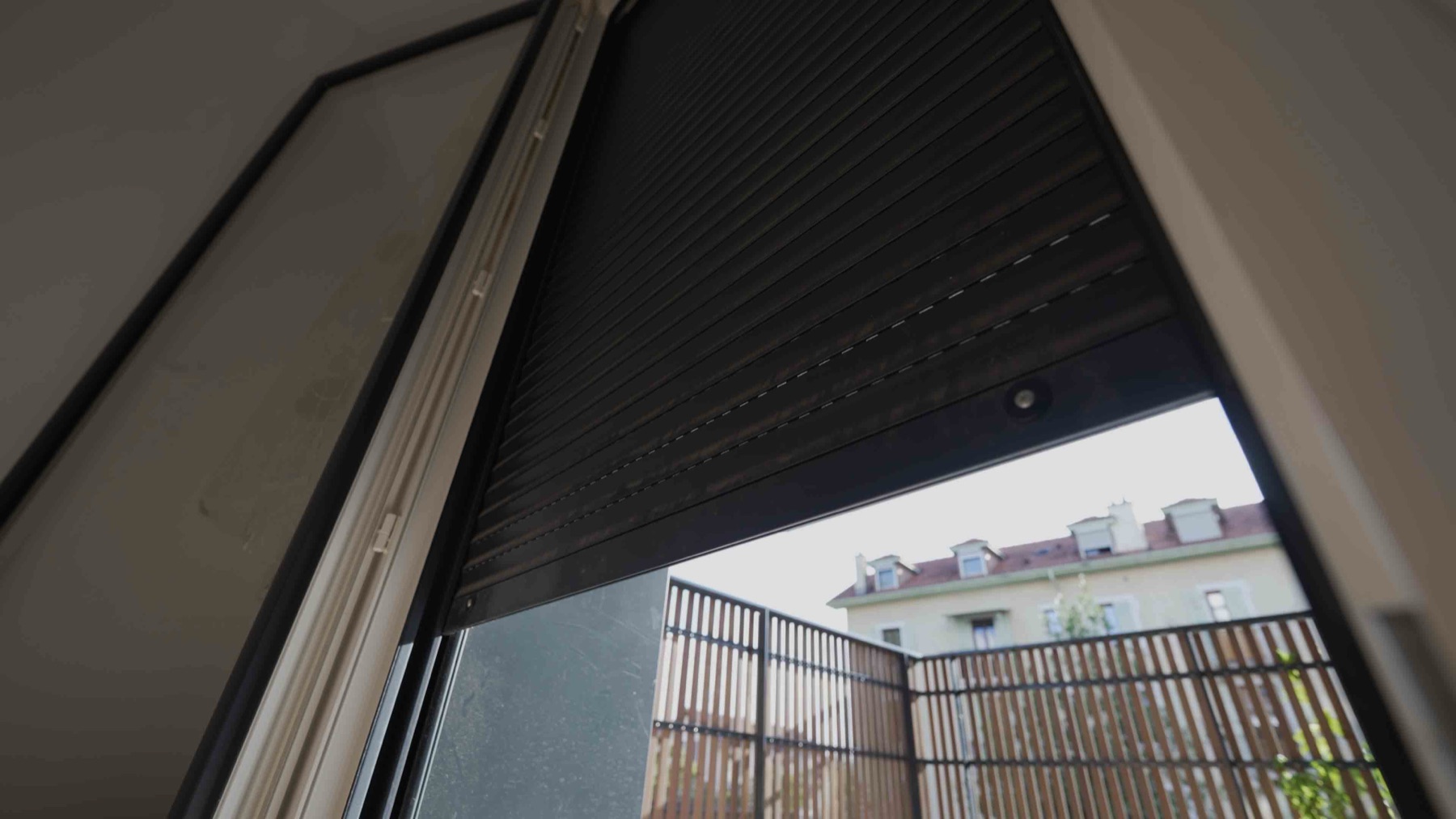
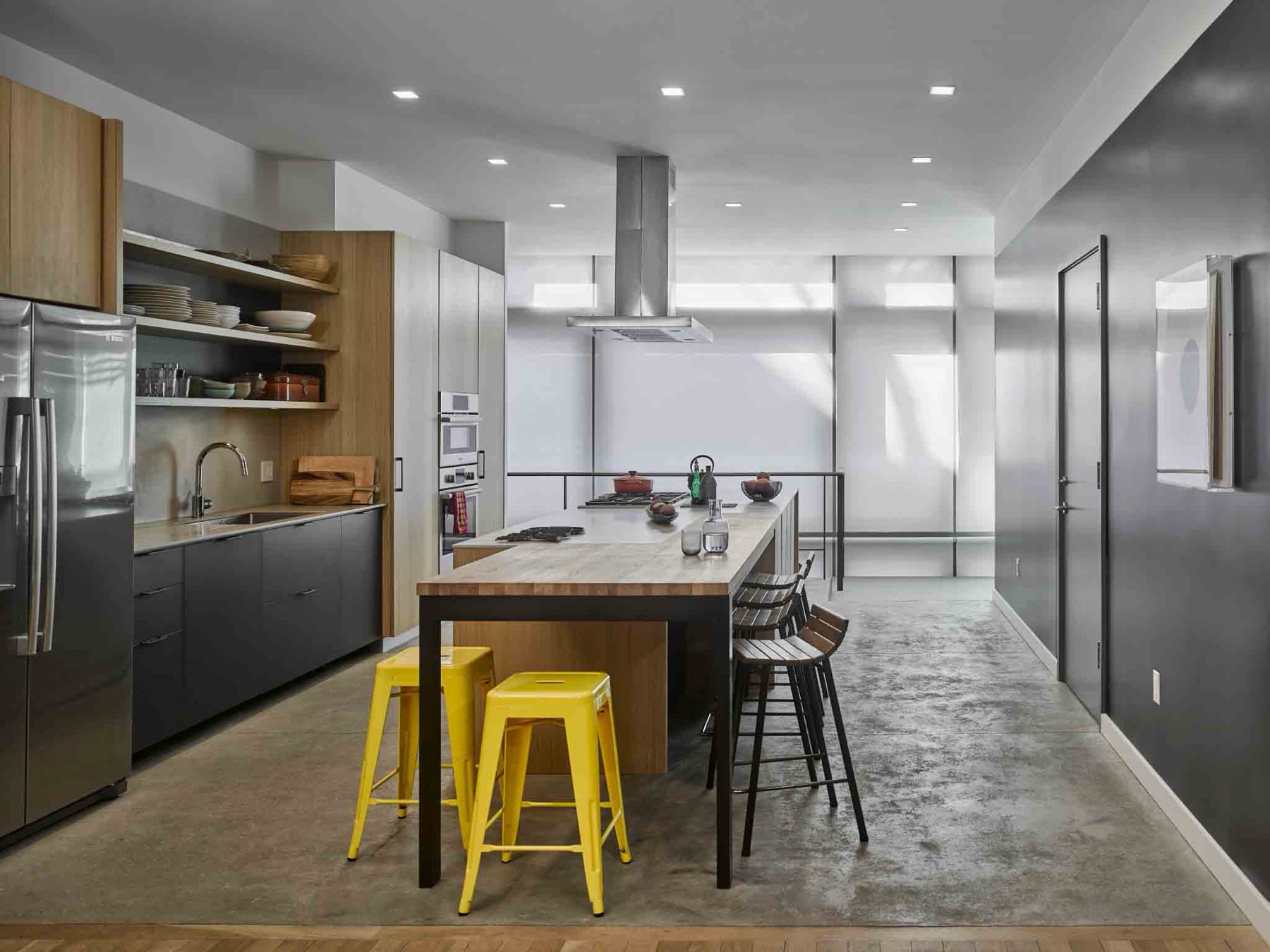
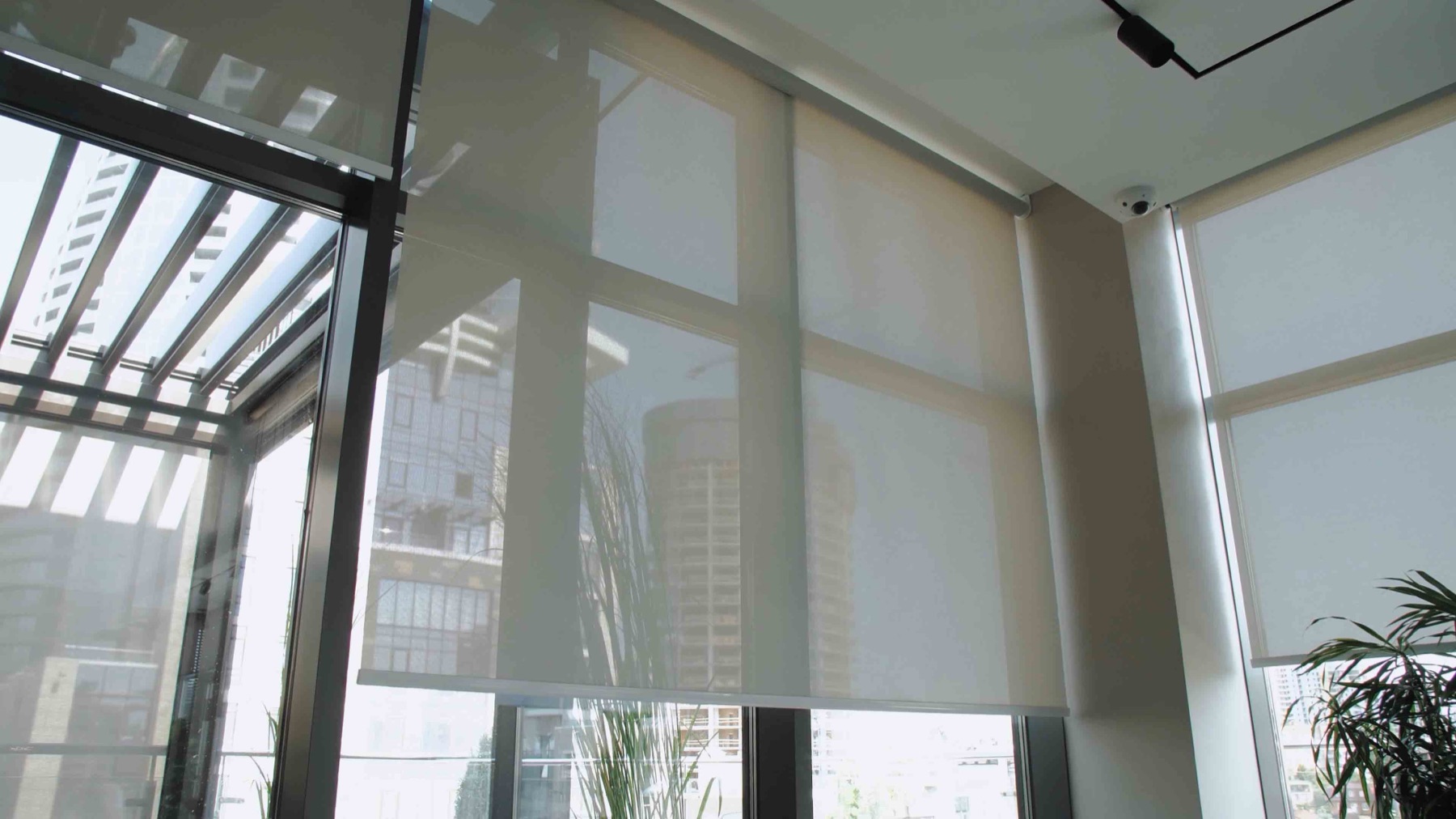
Shading is the other half. Solar control keeps rooms comfortable and protects finishes; blackout makes a media room work at noon. Both should move on schedule without anyone thinking about it.
Lighting Design
- Layered lighting plans
- Fixture & driver specification
- Colour temperature strategy
- Tunable white & human-centric lighting
- Dim-to-warm systems
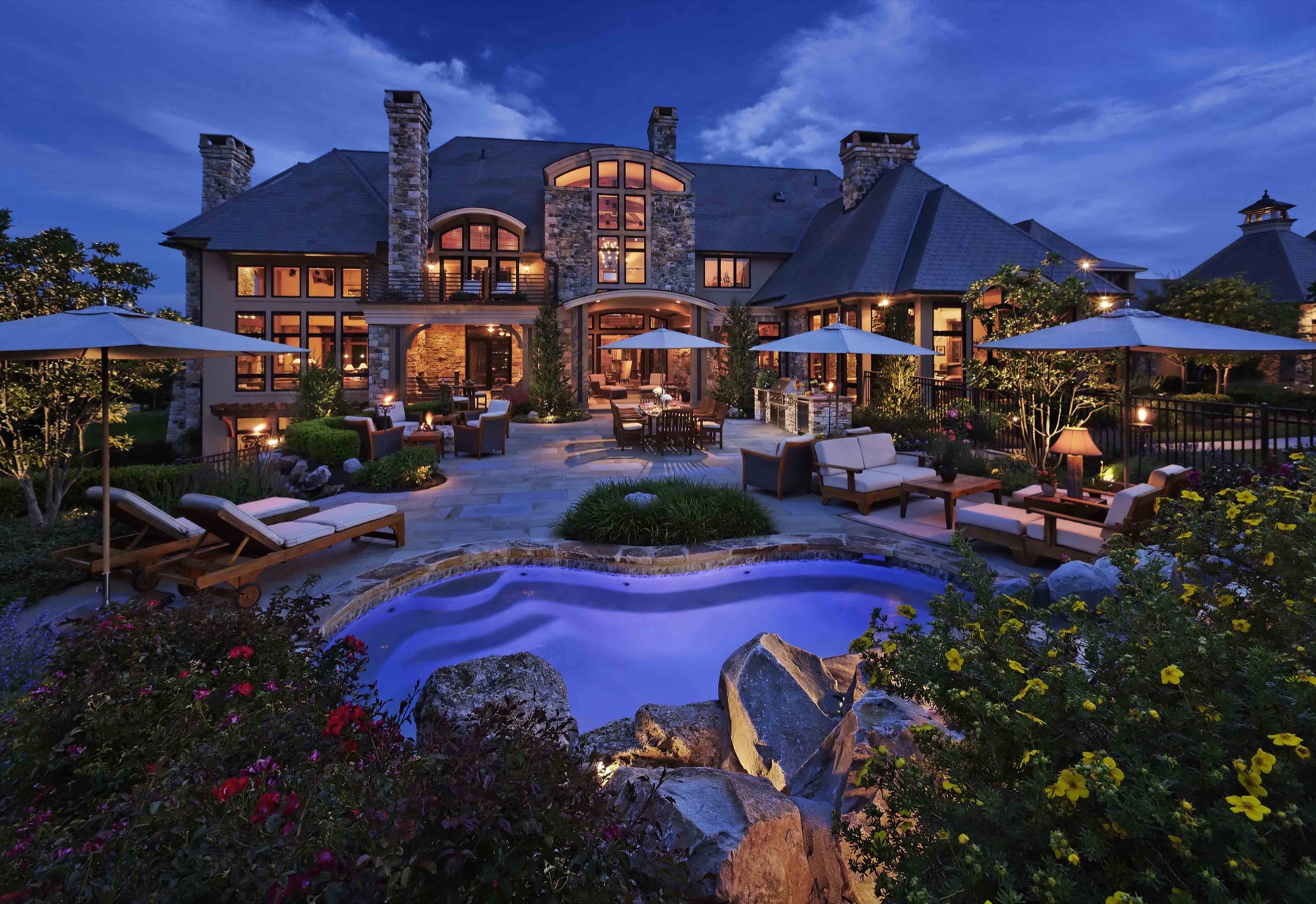
- Landscape & facade lighting
- Photometric review
Control
- Architectural keypads & engraving
- Centralized & distributed dimming
- Scene design & astronomic scheduling
- Occupancy & daylight sensing
- Integration with AV and climate
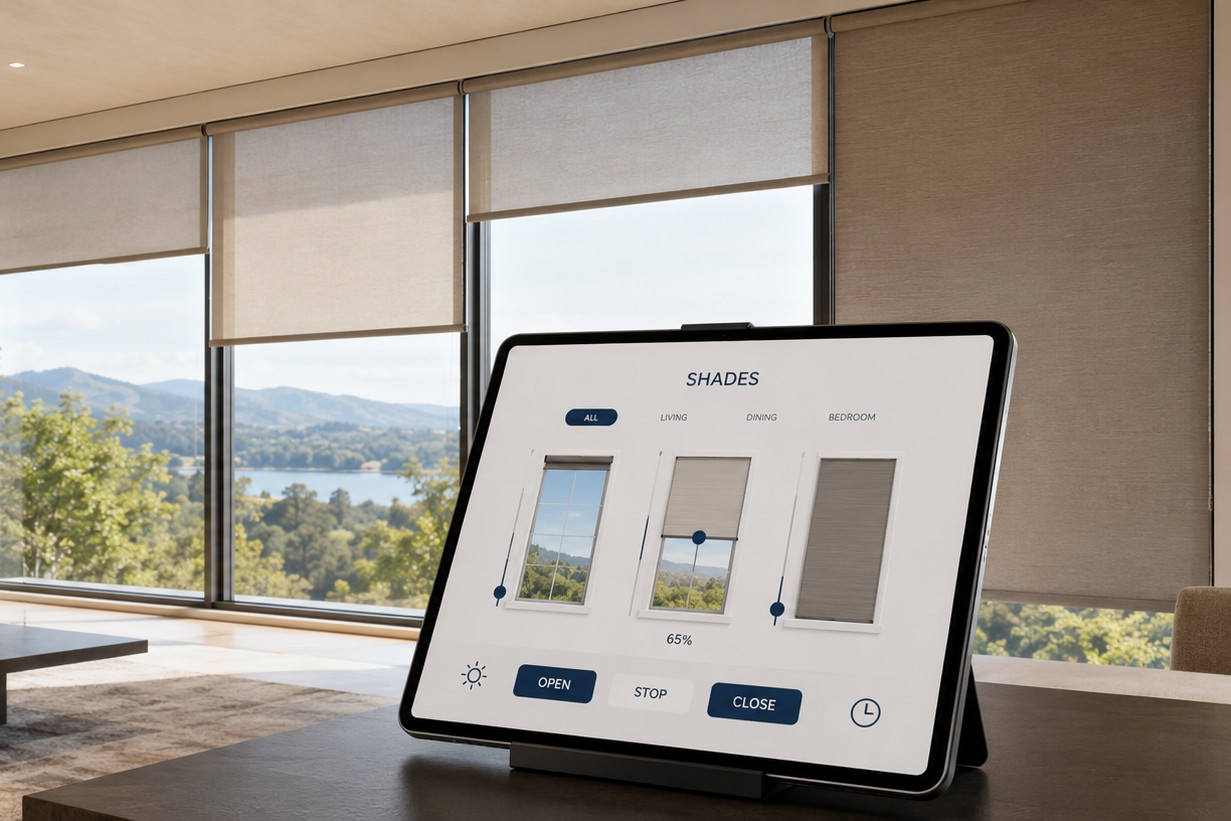
- Mobile & touch panel control
- Energy monitoring
Shading
- Motorized roller shades
- Drapery & sheer track systems
- Blackout for media rooms
- Solar & glare control
- Skylight and specialty shapes
- Commercial shading & daylight harvesting
- Fabric selection & openness factors
Tunable white, without the gimmick
Tunable and circadian lighting is genuinely worth doing — when the fixtures, drivers, and control layer are specified together and the scenes are set by someone who has watched the room through a full day. Bolted on partway through, it mostly produces expensive fixtures that nobody adjusts.
Shades that disappear into the architecture
Pockets, fascias, and side channels get decided at framing, not at order time. We size openings, specify fabrics by openness factor and orientation, and coordinate with the builder early so the hardware is concealed and the shades hang straight.
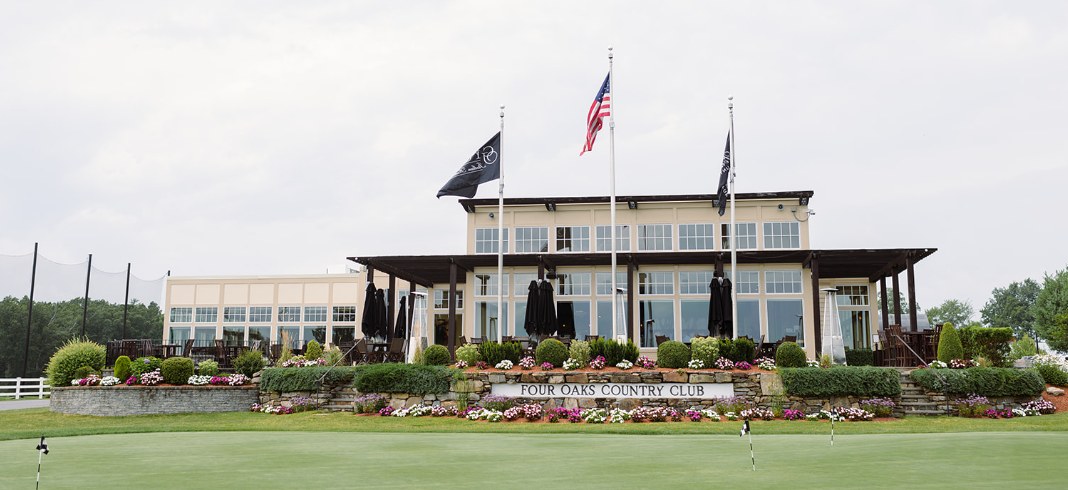
Four Oaks Country Club — a dining room with a view, without the glare.
A clubhouse dining room wrapped in glass overlooking the course. Beautiful at every hour — and impossible at the hours when the sun sits on the tables. The fix has to disappear into the architecture and move on its own.
The brief
Tame glare and heat across walls of windows in the dining room, bar, and function room — without losing the view the rooms were built for, and without a wall of switches.
What we did
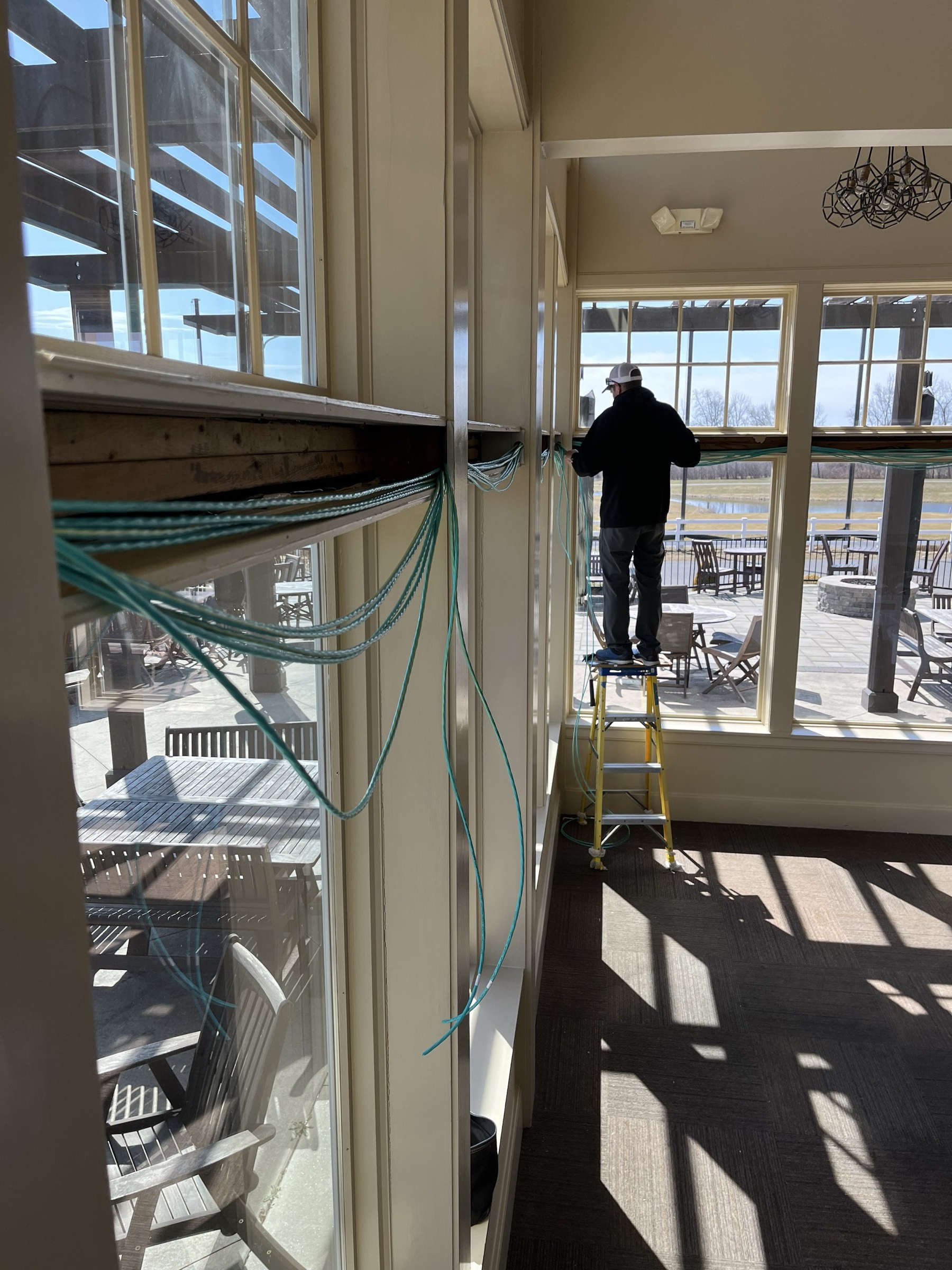
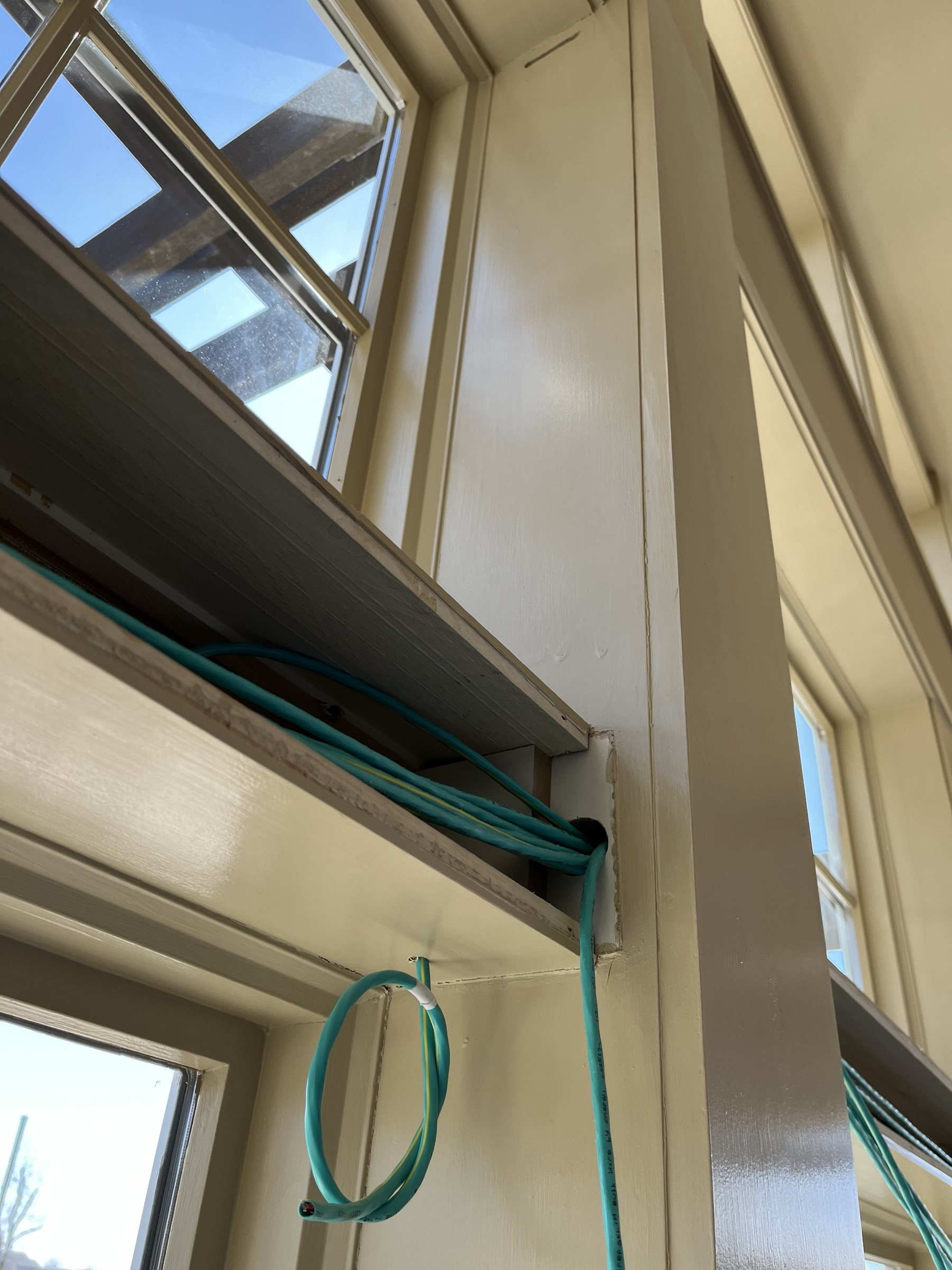
Motorized roller shades across every window wall, with the wiring run and concealed in the headers during the build. Shades move in groups, room by room, so a whole wall drops evenly at a touch.
The result
Even, comfortable light at every table through service, the view kept, and the hardware invisible until it moves. One press sets the room.
Let's talk about light.
Bring us the plans early — lighting is the system that benefits most from being designed before the walls close.